




IJT-SV220 Standard Servo Injection Molding Machine: How to Choose a Servo Injection Molding Machine for Stable Mass Production
When a line can’t hold repeatable quality, every shift […]
February 06 2026
 2026-02-06-16:09
 Most factories lose money on an injection project because the injection molding machine is mismatched—wrong tonnage, unstable cycle time, high scrap, or long downtime. That pain spreads fast: missed delivery, angry customers, and rising costs. The fix is simple: choose the right injection moulding machine with proven process support and a clear delivery plan.
An injection molding machine turns plastic pellets into consistent plastic parts by melting material, then pushing molten plastic into a mold under controlled injection pressure. The best injection molding machine manufacturers don’t just ship machinery—they help you pick the right clamp force, validate the injection molding process (FAT), commission on-site, and keep output stable with training, spare parts, and remote support.
An injection molding machine is machinery that melts plastic pellets, injects molten plastic into a mold, cools it, and then the part is ejected. That’s the core injection molding process, and it sounds simple—until you run 24/7 and need the same plastic part quality every shift.
Here’s the basic flow of injection moulding processes in plain words:
If any step drifts—material temp, injection speed, mold cooling—your cycle time rises and quality drops. That’s why we don’t treat an injection moulding machine as “just a machine.” We treat it as a production system.
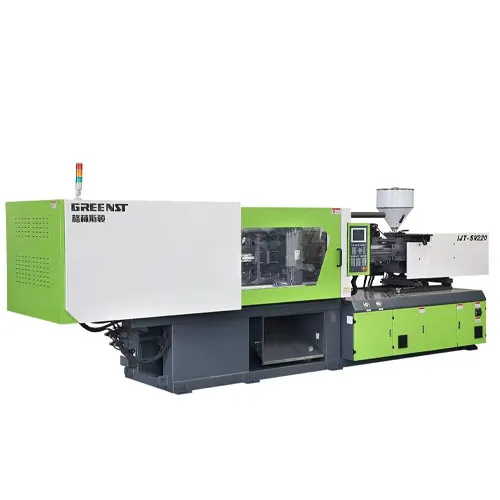
When buyers ask me about the types of injection molding machines, I keep it practical. Yes, the textbook answer is long—but buyers need a simple map.
In real purchasing, injection molding machines are classified mainly by:
This classification matters because it connects directly to:
If you’re building thin-wall packaging output or precision components, you want the machine category to match your molding capabilities—not just the mold.
Many factories start with a hydraulic press because it’s robust and familiar. Hydraulic machines have historically been the workhorse for general plastic processing, especially when molds vary and the environment is tough.
A hydraulic injection moulding machine (and hydraulic injection molding machines) often fits when you need:
But frequent maintenance can become a cost if you run high output and need clean, quiet operation.
An all-electric or all-electric injection machine (also called electric injection molding / electric injection molding machines) often wins on:
If you run thin-wall packaging with high-speed cycling, many buyers prefer all-electric machines because small timing differences can change quality parts results.
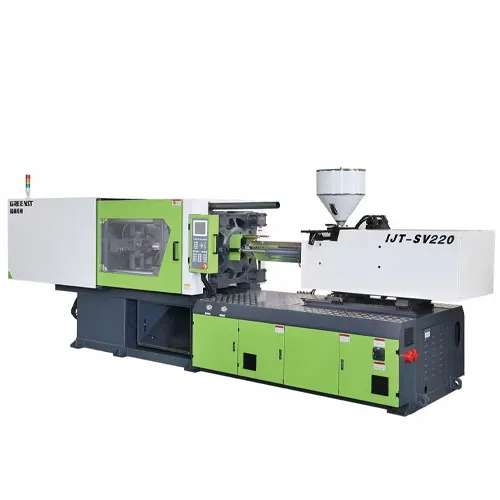
This is one of the most important decisions because the mold must stay shut under pressure. Your clamping unit is the heart of stability.
A toggle (or toggle injection) clamping unit is common because it can be fast and efficient. It often fits:
A two-platen or two-platen injection design often fits:
If your mold is large and your part size is big, a two-platen may feel more comfortable. If you need speed for thin-wall, toggle often becomes the first shortlist item.
A servo-hydraulic setup (also called servo-hydraulic machines) is a practical bridge between classic hydraulic machine systems and all-electric platforms.
Instead of running hydraulic pumps at full speed all the time, servo motors drive demand-based motion. That typically improves:
In buyer terms: servo-hydraulic can deliver a “more electric feel” while keeping hydraulic strength. Many factories that run packaging, household goods, and general industrial components like this balance.
Most people picture horizontal injection molding machines first. They’re common and easy to automate with robots and conveyors.
But vertical injection (or vertical injection moulding, and generally vertical machines) can be the right tool when:
If your application is precision insert work, vertical machines can reduce handling errors and stabilize quality.
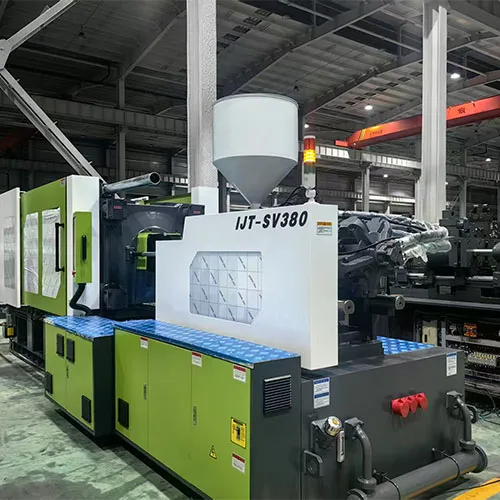
The price of an injection molding project isn’t only the machine. It’s the cost to produce each part reliably.
Main cost drivers you should compare
A packaging customer making thin-wall plastic product cups struggled with flashing and unstable cycle timing. After matching the mold to the proper clamp force, tuning the injection system, and training the operators on setpoints, output stabilized. The biggest win wasn’t “faster speed.” It was repeatable quality parts and fewer stops.
What changed:
This is why we push full lifecycle support. Reliability is not a slogan—it’s a plan.
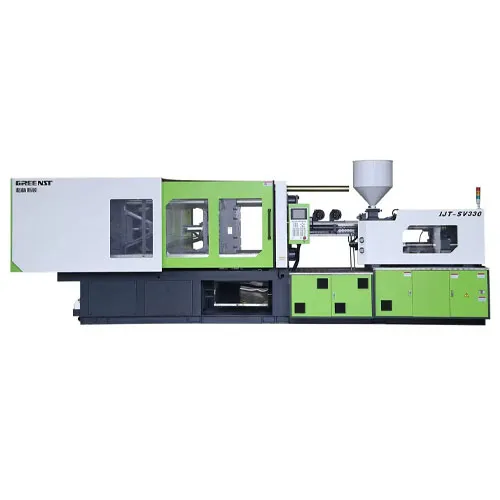
Which injection molding machine is best for thin-wall packaging?
For thin-wall packaging, prioritize stable cycle time, fast injection speed, and repeatable motion control. Many factories shortlist toggle clamping and either all-electric or servo-hydraulic configurations for balance between speed and cost.
What clamp force do I need?
Your required clamp force depends on cavity pressure, mold area, and injection pressure range. A good supplier will calculate it from your mold drawings and target output—not guess.
Are hydraulic injection molding machines outdated?
No. Hydraulic injection molding machines remain strong for rugged environments and flexible production. Many buyers still choose a hydraulic machine when they want robustness and easier local service—especially for varied molds.
When should I consider vertical injection moulding?
Choose vertical injection moulding when you do insert molding or want safer insert placement. Vertical machines often reduce handling errors and can simplify early-stage production.
How do I know a machine is compliant for export delivery?
Ask for a clear documentation list: FAT records, packing list, manuals, and required certificates for your region. Export-compliant documentation plus a well-defined commissioning plan reduces risk.
How fast can I get a quote and solution?
In many projects, we provide a solution and quote fast when you share part drawings, mold info, material, target output, and plant power details. Clear inputs = faster, better quoting.
Quick checklist (send this to us to speed up your quote)
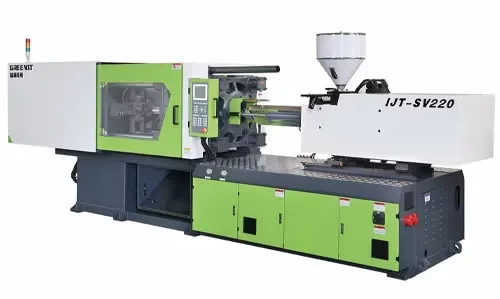
When a line can’t hold repeatable quality, every shift […]
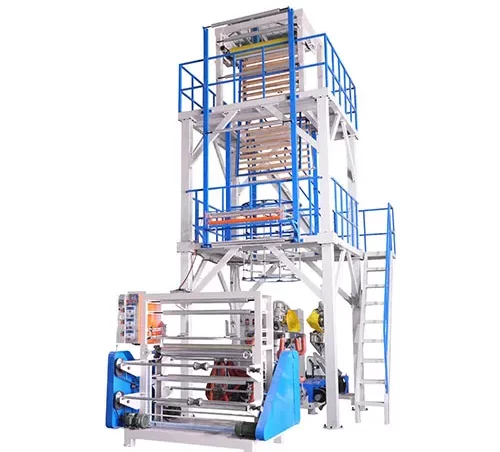
Bad film costs more than you think: unstable film thick […]
We will reply you within 24 hours. If for urgent case, please add WhatsApp/WeChat: +86 15653430206,. Or call +86 15653430206 directly.
*We respect your confidentiality and all information are protected.
We will only use your information to respond to your inquiry and will never send unsolicited emails or promotional messages.