




IJT-SV220 Standard Servo Injection Molding Machine: How to Choose a Servo Injection Molding Machine for Stable Mass Production
When a line can’t hold repeatable quality, every shift […]
February 06 2026
 2026-02-06-16:51
 Bad film costs more than you think: unstable film thickness, weak tensile strength, wrinkling, poor winding, and wasted resin. Then the worst part hits—customers reject rolls. The solution is a film blowing machine setup matched to your resin, product, and output, plus process support to keep the bubble stable.
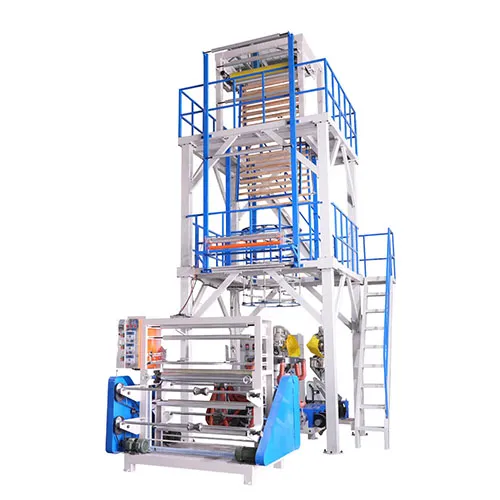
A film blowing machine (also called a blown film machine or blown film machine line) uses an extruder to melt plastic and push it through a circular die head. Air forms a bubble, cooling creates plastic film, and haul-off and winding produce finished rolls. The right blown film machine is the one that holds stable output, film width, and quality—day after day—at a cost your market can win.
Blown film is a simple idea with a lot of small details. You melt resin, push it through a circular die head, inflate it with air, cool it into a tube, flatten it, and rewind it into rolls. When people say blown-film, they usually mean this “bubble” method of making film.
Here’s the “plain English” sequence on a film blowing machine:
If you make plastic packaging, this process is everywhere: shopping bags, liners, food packaging, and shrink film.

When overseas buyers compare a blown film machine, they often focus on output. That’s important—but stable film quality comes from how the parts work together.
Core sections of a blown film line
A typical blown film line includes:
Your resin choice is not just “material.” It controls bubble behavior, toughness, sealing, and cost.
Common resins on film extrusion
A practical note from our project work: when you move from basic pe film to blends (LDPE + LLDPE + additives), your stable performance depends heavily on melt control and cooling. Buyers who plan flexible packaging should budget for better controls and in-line treatment.

Co-extrusion means more than one melt stream becomes one film. It helps you balance cost, strength, printability, and sustainability.
ABA (simple, popular, cost-smart)
An ABA system uses two extruders to make a “three-layer-like” structure (A-B-A). The middle layer can take more of the composition, often letting you optimize cost without sacrificing surface quality.
That’s why an aba film blowing machine is common for shopping bags, garbage bags, and shrink film lines.
Where ABA helps most
Three-layer co-extrusion (higher control)
A true three-layer / three-layer co-extrusion line offers more recipe flexibility—useful when film needs barrier, stiffness, or special sealing layers.
Buyer tip: Don’t buy multi-layer just to say “multi-layer.” Buy it because your film spec truly needs it (strength, seal, print, laminate performance). Otherwise, a well-built mono line can outperform a poorly tuned multi-layer line.
When overseas decision teams evaluate machinery, they usually include owners, project managers, process engineers, and maintenance. They want fast quoting, clear milestones, and low risk. Your comparison should match that reality.
Key “machine features” checklist
Here are practical machine features to compare:

A film blowing machine alone makes rolls. To make products, many factories pair it with a bag making machine.
Typical end products (high-demand)
How to think like a profitable converter
If you’re building a bag line, watch these “profit controls”:
Used blown film extrusion can be smart when your application is stable and your risk tolerance is clear.
When used equipment can work
When used equipment is risky
What film blowing machine is best for shopping bags?
For high-volume shopping bags, buyers often prioritize stable blown film output, reliable haul-off control, and good winding. Many choose HDPE-focused lines or ABA lines when they want stronger film and cost control.
Do I need ABA or three-layer co-extrusion?
Choose ABA when you want a simple multi-layer structure to balance cost and surface quality. Choose three-layer co-extrusion when film performance truly needs multiple functional layers (strength, seal, print/laminate behavior).
Why should I add a corona treater?
If you print or laminate film, corona treatment improves adhesion by increasing surface energy. It can improve print quality and reduce scrap.
How can I reduce film thickness variation?
Focus on die head uniformity, stable cooling (air ring), consistent haul-off tension, and material consistency. Then lock in SOPs so operators repeat the same setup every shift.
Can a mini blown film machine work for a new factory?
A mini blown film machine can work for sampling, small orders, or market testing. But if your target is stable mass production, evaluate whether the smaller line can hold quality and run time without constant adjustments.
What should I send for a fast quotation?
Send product type (bag film, shrink film, etc.), target output, film width, target thickness, resin recipe (LDPE/LLDPE/HDPE/PP), and whether you need printing/laminating readiness.
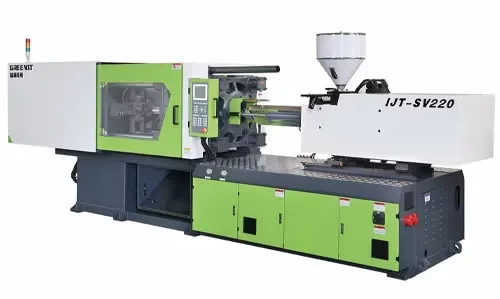
When a line can’t hold repeatable quality, every shift […]
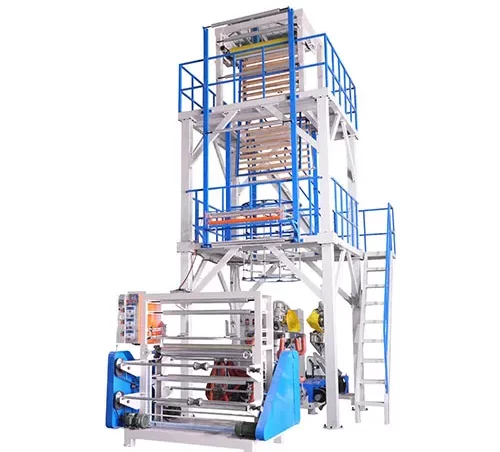
Bad film costs more than you think: unstable film thick […]
We will reply you within 24 hours. If for urgent case, please add WhatsApp/WeChat: +86 15653430206,. Or call +86 15653430206 directly.
*We respect your confidentiality and all information are protected.
We will only use your information to respond to your inquiry and will never send unsolicited emails or promotional messages.